by 2021-Administrator | Mar 3, 2021 | Life, Reading
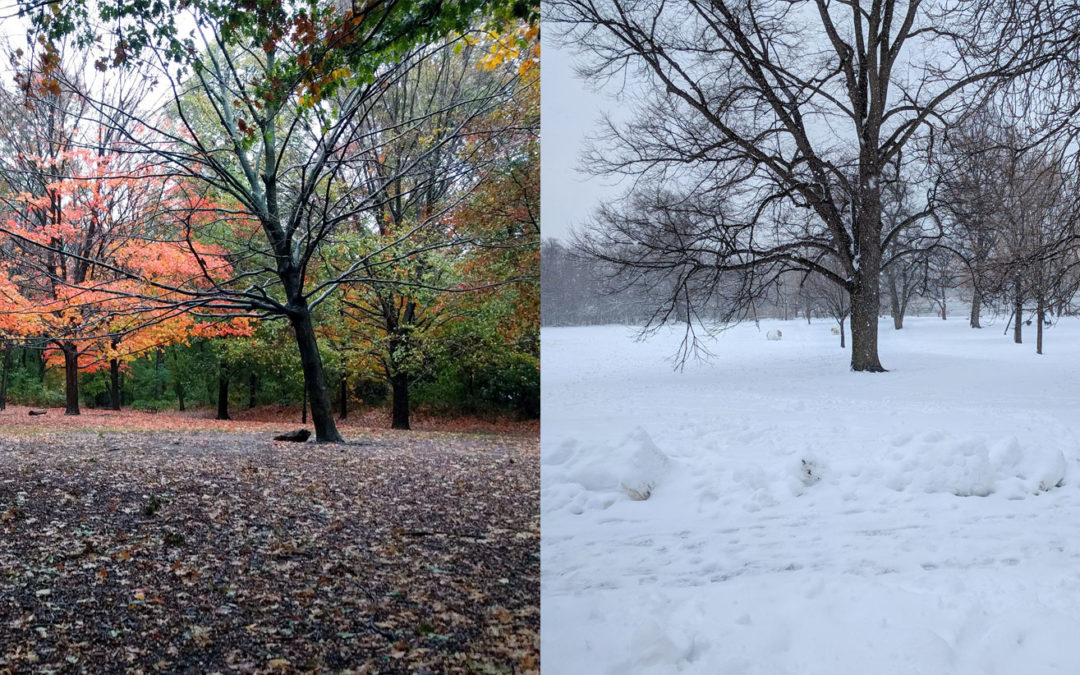
Comparison is one of the best ways of teaching anything; it is especially useful for reading and teaching poems. In his ABC of Reading, a book about poetry, American modernist poet and critic Ezra Pound recommends that we study poems in the manner of biologists...
by 2021-Administrator | Mar 2, 2021 | Life, Reading
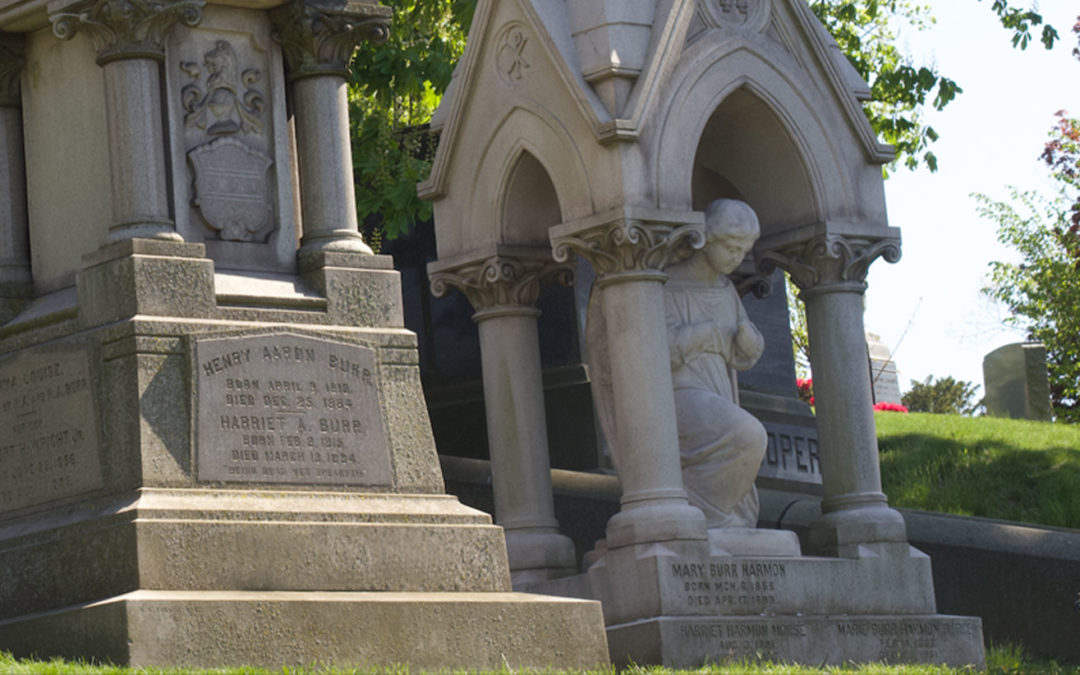
Among the pleasures of reading fiction is encountering brief tales with surprising endings—“The Monkey’s Paw,” for example, or “The Lottery,” and stories with ironic endings, such as those by O. Henry or Guy de Maupassant. One of my favorites is an ancient Roman tale:...

by 2021-Administrator | Mar 1, 2021 | Life, Villanelle
1. Learning by Going “I learn by going where I have to go,” writes Theodore Roethke in “The Waking.” “The art of losing isn’t hard to master,” avers Liz Bishop’s speaker in “One Art.” These lessons in living we aim to master as we try to learn where we need to...
by 2021-Administrator | Feb 17, 2021 | Life, Reading, Teaching, Teaching Literature, Writing
The act of literary interpretation involves essentially five things: observing, connecting, inferring, and evaluating, and concluding. And as with understanding fictional works, to understand poems, we need to observe their details—their rhythm and meter, forms and...
by 2021-Administrator | Feb 16, 2021 | Life, Reading
Subtext—Wendy Wasserstein: from Tender Offer To interpret characters and their objectives accurately, we frequently need to look beneath the surface of a play’s dialogue and consider its subtext. Russian director and teacher Constantin Stanislavsi considered the...
by 2021-Administrator | Feb 15, 2021 | Life, Teaching
One general definition of creativity is “the purposeful generation and implementation of a novel idea.” Selling books on-line, now a commonplace event, exemplifies such an idea. So does buying songs singly, as compared with purchasing them bundled as “albums,” which...
by 2021-Administrator | Feb 10, 2021 | Life, Writing
We briefly consider the interpretive process in a reading of the following short poem. Robert Frost Dust of Snow The way a crow Shook down on me The dust of snow From a hemlock tree Has given my heart A change of mood And saved some part Of a day I had rued. We can...
by 2021-Administrator | Feb 9, 2021 | Life, Music
The question of music’s meaning has had a long and contentious history. Some say that music has no meaning other than itself, that the meaning of a piece of music, from the simplest song to the most complex symphony or opera, is simply the notes the composer wrote in...

by 2021-Administrator | Feb 8, 2021 | Uncategorized
An interesting and useful way into the pleasures of poetry, MOMENT©, was developed by my friend Michael Hogan, himself a widely published poet. MOMENT stands for the following dimensions of a poem: moment, opposition, movement, evocation, notation, and tension....
